
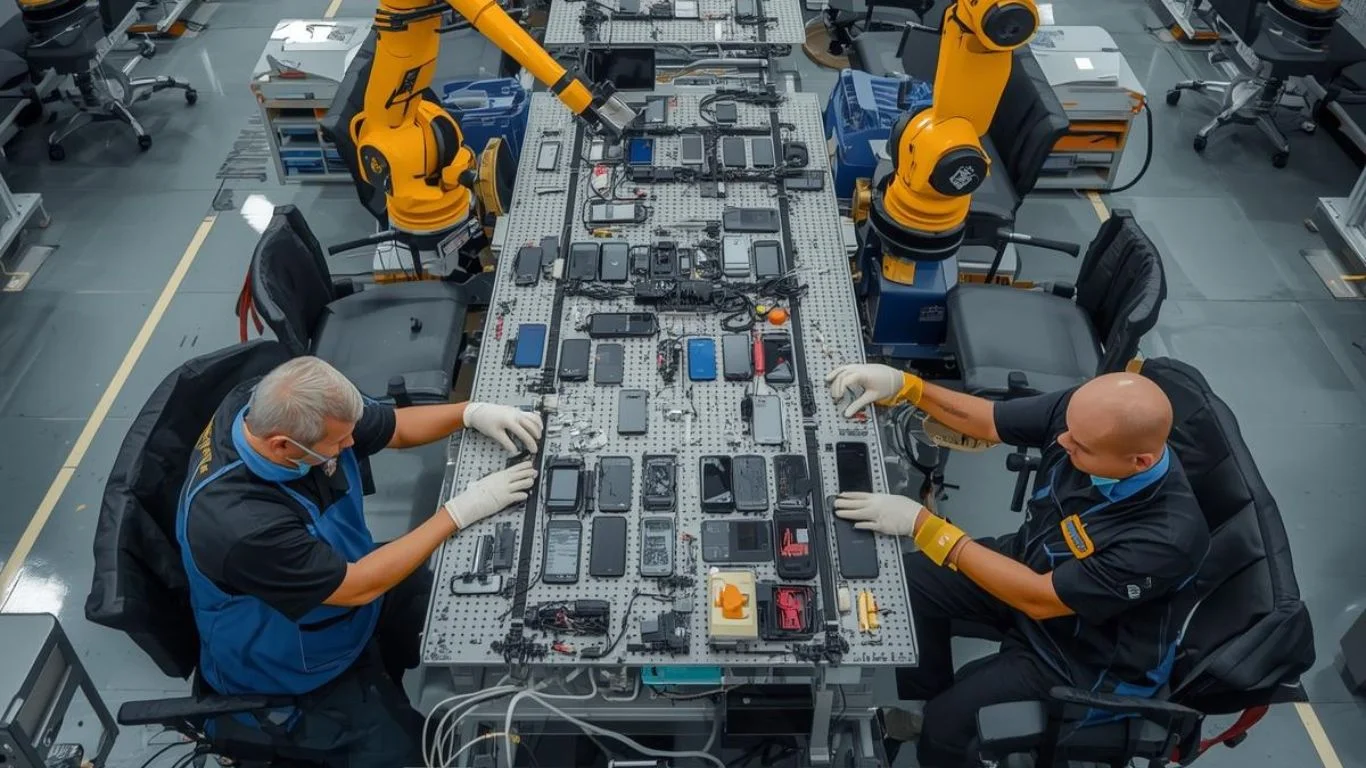
Smartphones have revolutionized the way we communicate, work, and entertain ourselves. From social media scrolling to mobile banking, these pocket-sized devices have become indispensable. But while consumers marvel at their sleek designs and cutting-edge features, very few consider the complex ethical dilemmas behind their production. From labor exploitation to environmental destruction, the story behind a smartphone is far less glamorous than its glossy exterior.
The Human Cost: Labor Practices Behind the Screens
Behind every smartphone is a global supply chain often riddled with ethical challenges. Many devices are assembled in factories where workers endure long hours, unsafe conditions, and insufficient pay. Reports from organizations like Amnesty International have exposed cases of child labor and hazardous working conditions in mines producing cobalt, lithium, and other essential minerals.
Ethical manufacturing means companies are responsible for safeguarding human rights across the supply chain. This includes:
- Fair wages and reasonable working hours
- Safe working conditions free from abuse
- Transparent monitoring of supplier practices
For consumers, understanding these human costs is crucial. The convenience of a new phone should not come at the expense of exploited labor.
Environmental Impact: The Hidden Footprint
Smartphone production is surprisingly harmful to the environment. Mining raw materials depletes natural resources and often contaminates water supplies. Manufacturing processes consume enormous amounts of energy, and most smartphones are designed with short lifespans, contributing to the growing global e-waste crisis.
The average smartphone contains metals, plastics, and rare earth elements that are difficult to recycle. When discarded improperly, these materials can leach toxins into soil and water. Ethical companies are now exploring solutions such as:
- Using recycled metals and plastics
- Designing phones for durability and repairability
- Implementing take-back programs for old devices
By supporting brands that prioritize environmental responsibility, consumers can play a direct role in reducing this ecological footprint.
Supply Chain Transparency: Knowing Where Your Phone Comes From
A major ethical challenge is the opacity of the smartphone supply chain. Many consumers are unaware of where materials come from or the conditions under which phones are made. Certifications like Fairtrade and initiatives like the Responsible Minerals Initiative aim to increase transparency, but enforcement can be inconsistent.
Ethical companies provide clear, traceable supply chains, ensuring:
- Conflict-free sourcing of minerals
- Verification of labor standards at every production stage
- Minimal environmental impact in manufacturing
When companies open their supply chains to scrutiny, it becomes easier for consumers to make informed choices.
The Power of the Consumer
Ethical smartphone manufacturing isn’t just a corporate responsibility—it’s also in the hands of consumers. Every purchase sends a message. Ways to make a difference include:
- Choosing devices from companies with strong ethical and environmental policies
- Recycling old smartphones instead of discarding them
- Extending the lifespan of your phone through repairs and upgrades
Even small actions, like supporting brands with transparent supply chains, can help pressure the industry to adopt more ethical practices.
Innovations Toward a Responsible Future
The industry is slowly evolving. Some companies are pioneering conflict-free minerals, eco-friendly packaging, and modular phone designs for easier repair. Consumers are also demanding accountability, pushing tech giants to reconsider short product cycles and unsustainable production methods.
The future of smartphone ethics depends on awareness and action. By demanding transparency, supporting responsible brands, and making sustainable choices, we can ensure that the convenience of our gadgets doesn’t come at the cost of people or the planet.
Conclusion
Smartphones may be small, but their impact is enormous—on people, communities, and the environment. Understanding the ethical dilemmas behind these devices empowers consumers to make choices that align with their values. The next time you swipe, scroll, or snap a photo, remember: every ethical choice counts, and together, we can push the smartphone industry toward a more sustainable, humane future.
FAQs
The primary concerns include labor exploitation, unsafe working conditions, child labor in mineral mining, environmental damage from production, and the opaque supply chain that hides unethical practices.
Many factories employ workers for long hours with low wages and sometimes in unsafe conditions. Additionally, mining minerals like cobalt and lithium can involve child labor and human rights violations, making the entire supply chain ethically problematic.
Smartphone manufacturing requires mining metals, using large amounts of energy, and generating e-waste. Most phones are not designed for recycling, which leads to toxic materials contaminating soil and water when discarded.
Consumers can:
Choose phones from companies with transparent supply chains
Recycle old devices instead of discarding them
Extend phone lifespan through repairs and upgrades
Support brands committed to sustainable and conflict-free production
Yes. Some companies are adopting modular designs for repairability, using recycled or conflict-free materials, and implementing programs to track labor and environmental standards. However, transparency and enforcement vary widely across the industry.