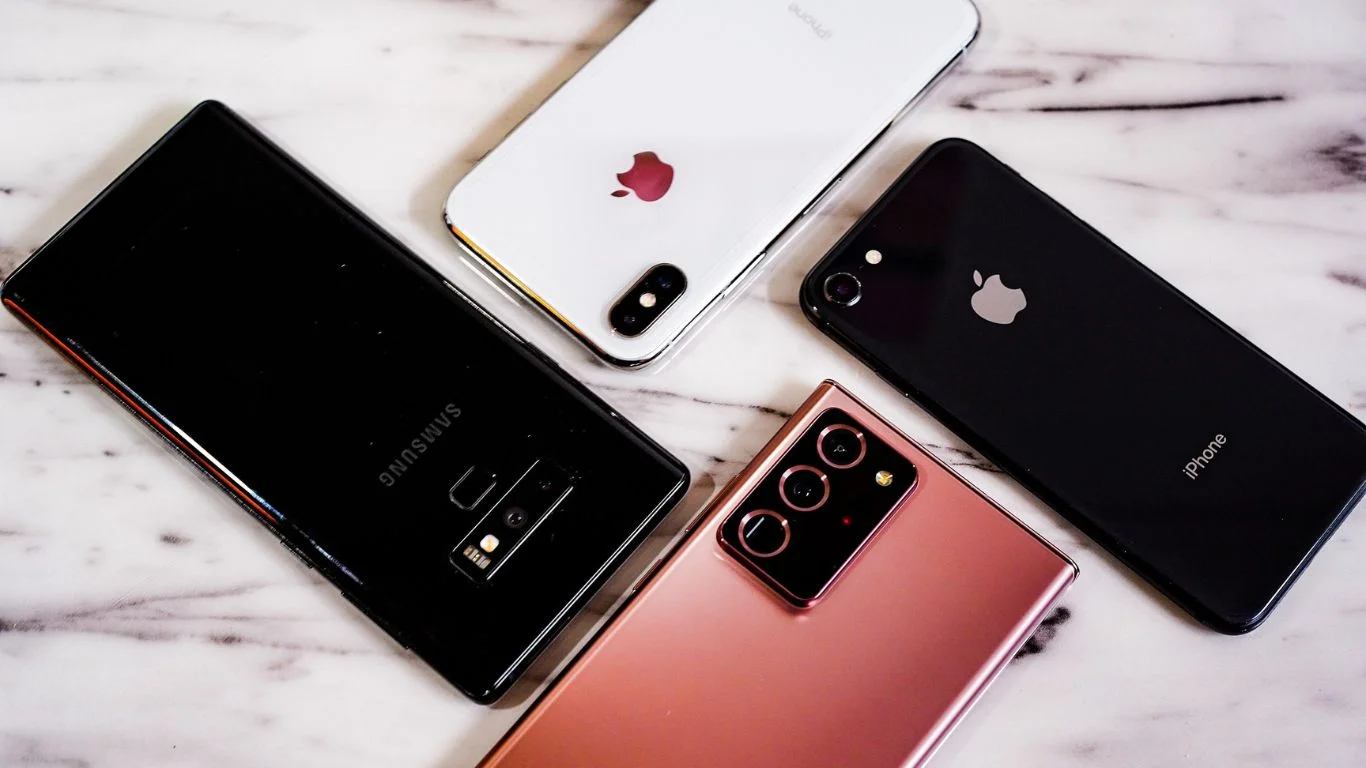
The smartphone industry has long been dominated by two giants: Apple with its iconic iPhone and Android, a mobile operating system developed by Google and used by multiple manufacturers like Samsung, Google Pixel, and OnePlus. The rivalry between these two tech titans has become almost legendary, with passionate debates over design, performance, ecosystem, and value. But in 2025, the question remains: who is actually winning the war between Apple and Android?
Market Share: Numbers Tell a Story
When it comes to global market share, Android has consistently held the upper hand. According to recent statistics, Android powers around 70–75% of all smartphones worldwide, compared to Apple’s iOS, which hovers around 25–30%. The reason is simple: Android’s flexibility allows manufacturers to release devices at all price points, from budget-friendly to premium models, whereas iPhones primarily target the high-end market.
However, market share alone doesn’t tell the whole story. Apple dominates in regions like the United States, Japan, and parts of Europe, where brand loyalty and high purchasing power play a significant role. In the U.S., Apple controls over 55% of the smartphone market, making it a formidable competitor despite its smaller global footprint.
Innovation and Features: Who Leads the Charge?
Apple and Android have different approaches to innovation. Apple focuses on refinement and ecosystem integration. Features like the M-series chips, advanced cameras, Face ID, and seamless integration with MacBooks, iPads, and AirPods make the iPhone a powerhouse for users invested in Apple’s ecosystem. iOS updates are rolled out uniformly to all compatible devices, ensuring security and longevity.
On the other hand, Android is known for customization and versatility. Manufacturers like Samsung and Google push cutting-edge technology such as foldable screens, under-display fingerprint sensors, higher-resolution cameras, and faster charging options. Android users enjoy a wide range of devices that cater to diverse preferences, from gaming-centric phones to ultra-budget models.
In terms of software innovation, Android often leads in experimental features, while Apple perfects them for a seamless, polished user experience. For example, Android may introduce multitasking or split-screen apps years before iOS, but Apple integrates these features more smoothly when it does adopt them.
Ecosystem and User Experience: The Loyalty Factor
Apple’s greatest weapon is its ecosystem. iPhones, iPads, Macs, Apple Watches, and AirPods work together seamlessly, creating a user experience that is difficult for Android to match. Features like Handoff, iCloud synchronization, and AirDrop create a sense of cohesion that keeps users loyal.
Android’s ecosystem, by contrast, is fragmented because it spans multiple manufacturers. While Google has made strides with services like Google Drive, Google Photos, and Wear OS, the lack of uniformity can make the experience inconsistent. That said, Android excels in flexibility, allowing users to mix and match devices from different brands and still enjoy top-tier performance.
Price and Accessibility: The Battle for the Masses
One of Android’s major advantages is price diversity. From under $200 budget smartphones to $1,500 luxury devices, Android caters to nearly every demographic. Apple, however, remains a premium brand, with the average iPhone costing upwards of $900. This exclusivity limits Apple’s global market share but reinforces its image as a status symbol and ensures higher profit margins.
Security and Privacy: The Apple Edge
Apple consistently touts its privacy and security features as superior to Android. iOS is a closed system, making it less vulnerable to malware and cyberattacks. Android’s open-source nature allows for customization but also increases security risks. For privacy-conscious users, Apple’s track record of encrypting user data and restricting app permissions is a major selling point.
Who’s Winning?
Answering this question depends on the lens you use:
- Global Reach: Android is winning with its massive user base.
- Profit and Premium Market: Apple dominates with higher margins and customer loyalty.
- Innovation: Both lead in different areas—Apple for refinement and ecosystem integration, Android for experimentation and versatility.
- User Experience: Apple wins for seamless integration; Android wins for customization.
Ultimately, the war is less about one side defeating the other and more about catering to different audiences. Android wins in numbers and accessibility, while Apple wins in influence, profitability, and ecosystem loyalty. The real winners are consumers, who now enjoy unprecedented choices, features, and competition driving technological advancement.
Conclusion
The Apple vs. Android rivalry shows no signs of slowing down. Each side continues to push boundaries, whether in design, performance, or ecosystem innovation. In the end, winning is subjective—it depends on what matters most to the user: price, flexibility, security, or seamless integration. One thing is certain: the war fuels innovation, and that is a victory everyone can celebrate.
FAQs
Android dominates the global market, powering around 70–75% of all smartphones, while Apple’s iOS holds roughly 25–30%. However, Apple leads in certain regions like the United States and Japan.
Both excel in different areas. Apple focuses on refinement, ecosystem integration, and security, while Android pushes experimental features like foldable screens, faster charging, and customizable interfaces.
Apple’s popularity comes from its premium design, brand loyalty, and seamless ecosystem. Devices like iPhones, iPads, Macs, and Apple Watches work together effortlessly, creating a unique user experience that encourages customer retention.
Android offers devices at every price point, from budget to high-end models, making it accessible to a wider audience. Apple primarily targets the premium market, with iPhones typically starting around $900.
Apple generally has the edge in security and privacy due to its closed iOS system, strict app store policies, and data encryption. Android’s open-source nature allows for more customization but can expose users to higher security risks if devices or apps are not managed carefully.