The Samsung Galaxy S25 Ultra marks the pinnacle of Samsung’s 2025 flagship lineup, combining high‑end materials, powerful hardware, advanced camera systems, and deep integration of AI features. Here’s a closer look at what makes it stand out — and where to consider whether it’s the right pick for you.
🎨 Design & Display
Samsung has refined the look and feel of the S25 Ultra to make it both premium and more usable:
- The device sports a 6.9‑inch QHD+ Dynamic AMOLED 2X display, supporting a smooth 120 Hz refresh rate and LTPO technology (so the refresh rate can adapt between 1 Hz and 120 Hz for better battery efficiency)
- Build materials: It uses a titanium frame for its premium variant, which gives it a lighter yet durable feel compared to previous “Ultra” models.
- The front glass is protected by Corning Gorilla Glass Armor 2, offering enhanced scratch resistance and durability.
- Dimensions come in around 162.8 × 77.6 × 8.2 mm, with a weight of ~218 g.
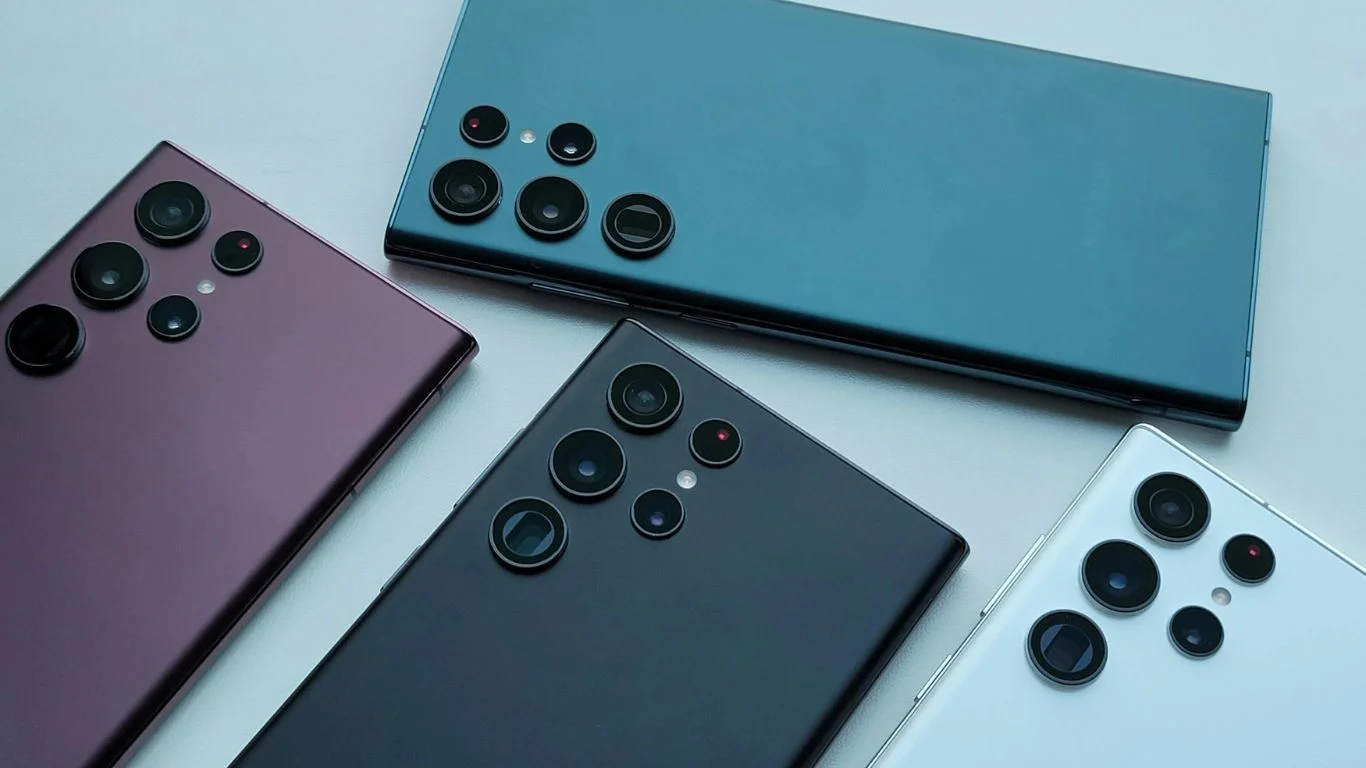
- Colour and finish options include premium “Titanium” shades (Silver‑blue, Black, Grey, White etc.) giving a refined choice set.
🚀 Performance & Software
Under the hood, the Galaxy S25 Ultra brings top‑tier specs and performance:
- It is powered by the Qualcomm Snapdragon 8 Elite for Galaxy (3 nm process) in all regions, delivering strong performance and efficiency.
- Memory & Storage: Global models typically offer 12 GB of RAM with storage options of 256 GB, 512 GB, and 1 TB. In select regions, 16 GB RAM may be available.
- Connectivity features: Wi‑Fi 7, Bluetooth 5.4, UWB (Ultra Wideband) support, and full 5G.
- Software: Ships with Android 15 and Samsung’s latest One UI layer, and includes deep ‘Galaxy AI’ features for camera, text/image processing and smart device interactions.
📸 Camera System
One of the major highlights of the S25 Ultra is its advanced camera configuration:
- Rear quad‑camera setup: A 200 MP main wide‑angle lens, a 50 MP ultra‑wide, a 50 MP periscope telephoto (5× optical zoom), and a 10 MP telephoto (3× optical zoom).
- Front camera: 12 MP with modern features for selfies and video.
- AI & image processing: Thanks to the ProVisual engine and Galaxy AI enhancements, the camera system supports intelligent scene recognition, upscaling of lower resolution content (via “ProScaler”), better low‑light performance and more.
- Video capabilities: 8K recording supported, enhanced stabilization, and multiple zoom lenses give flexibility for content creators and photography enthusiasts.
🔋 Battery & Charging
When it comes to power and endurance:
- The S25 Ultra packs a 5,000 mAh battery, which is pretty standard for flagships of this size but paired with the efficient chipset and display tech.
- Charging: Wired charging at up to 45W (or region dependent), and wireless charging + reverse wireless charging supported.
- Real‑world performance reports suggest strong endurance: one review reported usage up to roughly 2 days under moderate use.
✅ Pros & ⚠️ Cons
Pros:
- Exceptional display quality and refresh smoothness.
- Top‑class camera system with very high resolution and versatile zoom options.
- Premium build materials (titanium frame, reinforced glass).
- Rich connectivity and future‑proofing (Wi‑Fi 7, UWB, high storage).
- Deep AI and software enhancements make it more than just hardware.
Cons:
- Price is very high — you’ll be paying flagship‑ultra money.
- Some features like the stylus/S‑Pen integration may be reduced compared to past models.
- Charging speeds are good but not the fastest in market (some rivals push higher wattages).
- Because it’s large and heavy (~218g), not ideal for users preferring compact handsets.
🎯 Verdict
If you’re looking for one Android phone that pushes performance, camera versatility, build quality, and “future‑readiness”, the Galaxy S25 Ultra is hard to ignore. It’s especially appealing for power users, mobile photographers, content creators, or “all‑in” smartphone buyers.
However, if you don’t need the absolute top specs (perhaps you don’t shoot 8K video, or you don’t use the extra zoom lenses, or you prefer something lighter), then you might find the premium paid for the “Ultra” flag negligible in daily use — in which case a “regular” flagship or one tier down may offer better value.
📌 Final Thoughts
The Galaxy S25 Ultra sets a new bar for what a smartphone can deliver in 2025. Whether it’s worth upgrading largely depends on how much of the “Ultra” feature set you will actually use and whether you value having the very best today. If yes — this is one of the smartest investments in flagship Android.
Would you like a comparison between the S25 Ultra and one of its top rivals (for example the iPhone 17 Pro or the OPPO Find X9 Pro) so you can see how they stack up?
FAQs about the Samsung Galaxy S25 Ultra
The Samsung Galaxy S25 Ultra starts at approximately $1,155, but the price may vary depending on the storage and memory configuration, as well as the region.
The Galaxy S25 Ultra features a 200MP main camera, a 50MP ultra-wide camera, a 50MP periscope telephoto (5x optical zoom), and a 10MP telephoto lens (3x optical zoom). It also supports 8K video recording, AI-enhanced image processing, and improved low-light capabilities for stunning photos and videos.
The Samsung Galaxy S25 Ultra is equipped with a 5,000mAh battery, offering impressive endurance. With moderate use, it can last up to two full days. The phone also supports 45W wired fast charging, wireless charging, and reverse wireless charging.
The Galaxy S25 Ultra features a 6.9-inch QHD+ Dynamic AMOLED 2X display, with 120Hz refresh rate and LTPO technology, allowing the display’s refresh rate to dynamically adjust between 1Hz and 120Hz to optimize power consumption. It also has Corning Gorilla Glass Armor 2 for enhanced durability and scratch resistance.
The Samsung Galaxy S25 Ultra is powered by the Qualcomm Snapdragon 8 Elite for Galaxy chipset, paired with 12GB to 16GB of RAM and up to 1TB of storage. It runs on Android 15 with One UI 5, providing a smooth user experience, advanced AI features, and deep integration with Samsung’s ecosystem. The phone also supports Wi-Fi 7, Bluetooth 5.4, and 5G connectivity.